Ariège and Dordogne are two of the most authentic destinations in southern France. Both attract nature, heritage and food lovers. But they offer very different landscapes and experiences. Here is an objective comparison to help you choose.
Landscapes: mountains vs river valleys
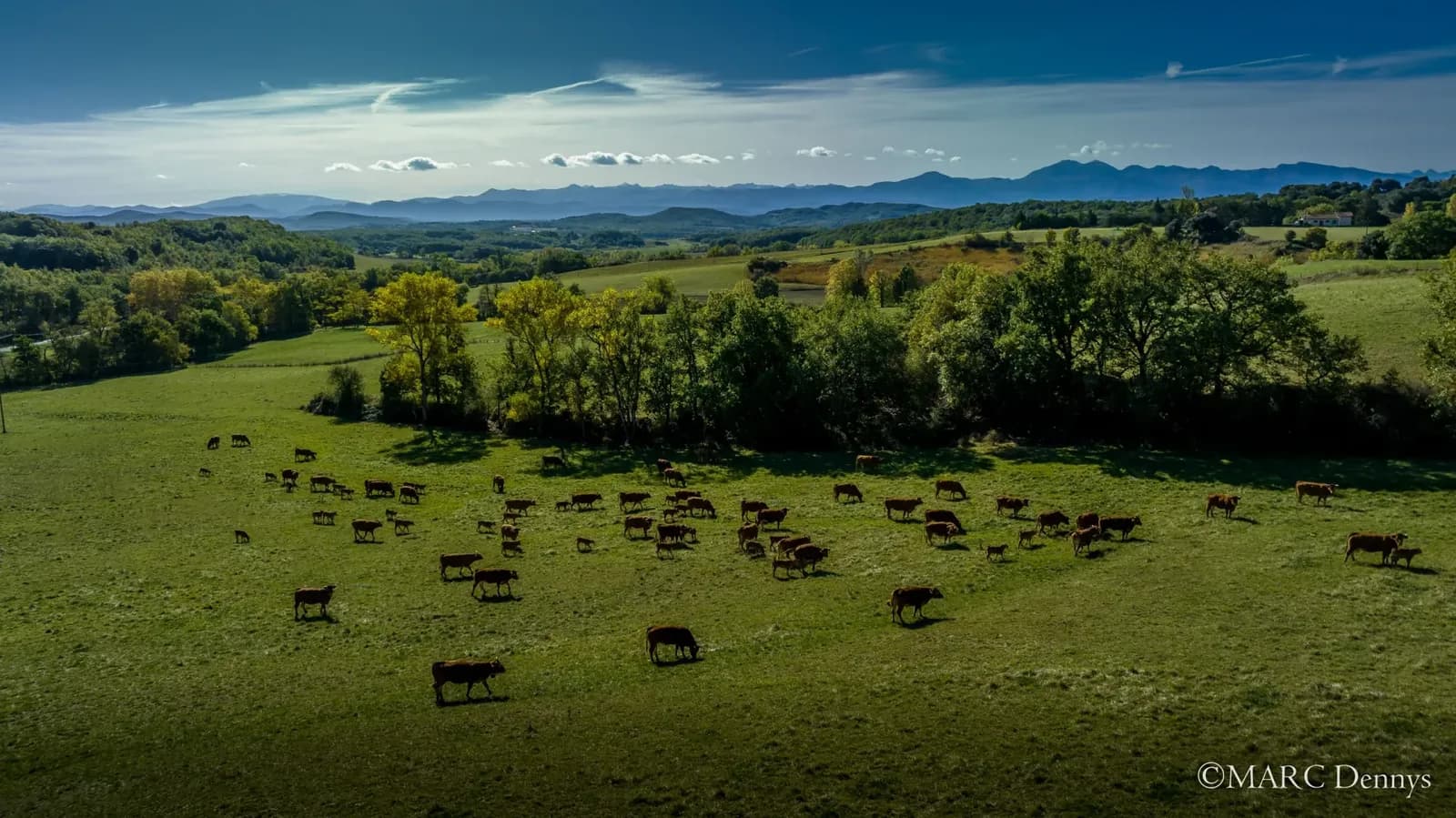
Dordogne is the land of winding rivers, limestone cliffs and oak forests. It is a gentle, rolling, deeply green landscape. Ariège is more dramatic: the Pyrenees rise above 3,000 metres, the valleys are steep-sided, and mountain lakes offer Alpine panoramas. In Ariège, nature is wilder and more varied — within an hour's drive, you move from foothill country to glacial cirques.
Heritage: Cathars vs Renaissance
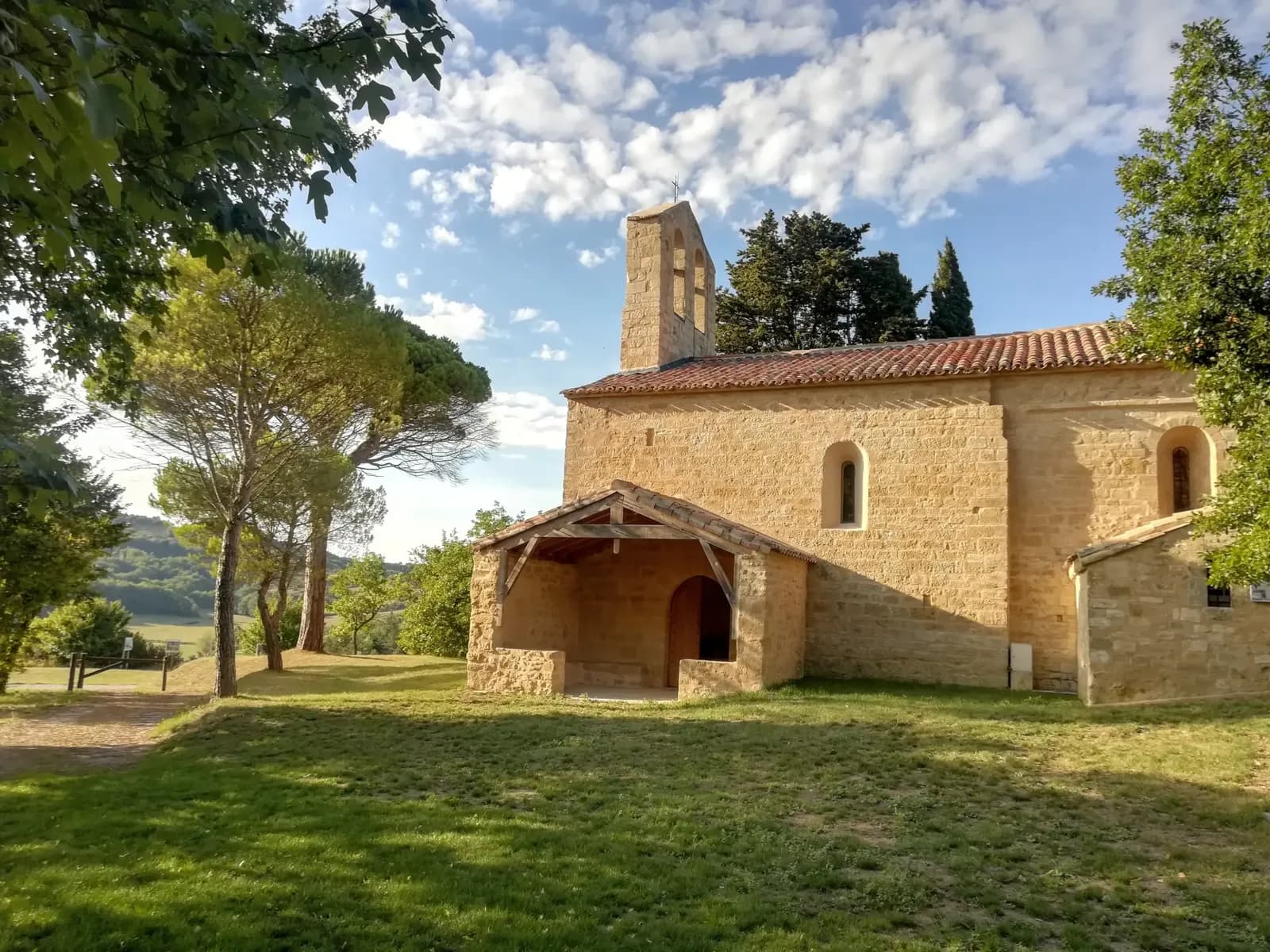
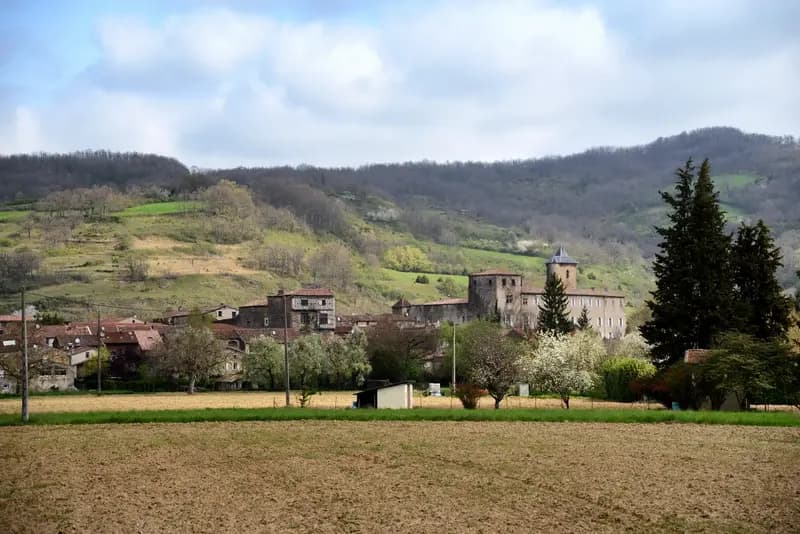
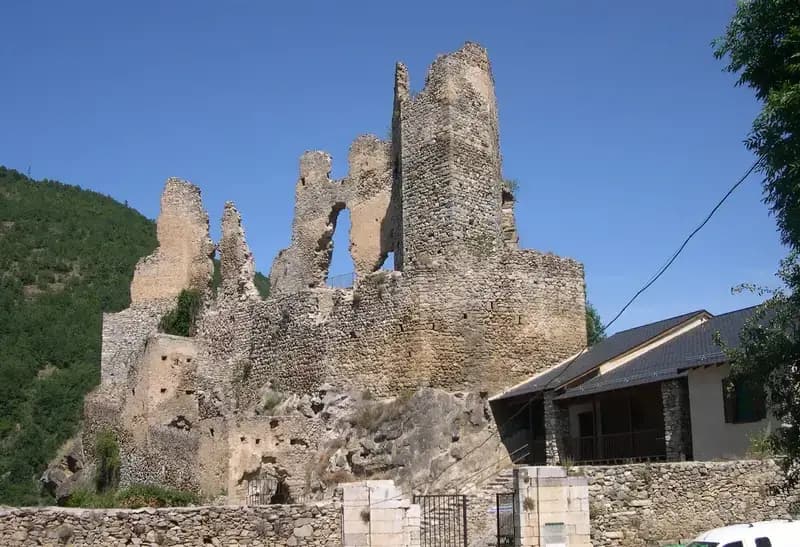
Dordogne is famous for its Renaissance châteaux (Castelnaud, Beynac, Hautefort), its classified villages (Sarlat, Domme, La Roque-Gageac) and its prehistoric caves (Lascaux). Ariège counters with Cathar castles (Montségur, Roquefixade, Usson), decorated caves (Niaux, Mas d'Azil), Romanesque churches (Vals, Unac) and medieval towns (Mirepoix, Foix, Saint-Lizier). Both departments have exceptional heritage, but Ariège is less well-known — and therefore far less crowded with tourists.
Budget: Ariège is more affordable
Dordogne has become a popular destination with British and Dutch visitors, pushing prices up. In summer, a gîte in Dordogne costs 20 to 40% more than comparable accommodation in Ariège. Restaurants and tourist sites follow the same trend. Ariège remains one of the cheapest departments in France for a rural holiday, without compromising on quality.
Tourist numbers
Dordogne welcomes over 3 million tourists a year. Major sites (Sarlat, Lascaux, the Dordogne valley) are very busy from June to September. Ariège remains under the radar: you can visit Montségur or the Niaux cave without jostling, even in August. Roads are clear, car parks are never full, and markets remain genuine village affairs — not tourist attractions.
Outdoor activities
Dordogne excels at river activities: canoeing on the Dordogne and Vézère, river swimming. Ariège offers more variety: mountain hiking at all levels, mountain biking, canyoning, climbing, winter skiing, paragliding, wildlife watching (chamois, marmots, vultures). Lac de Montbel allows swimming, sailing and stand-up paddleboarding. Ariège is also the top choice for mountain-sports enthusiasts.
Gastronomy: two exceptional terroirs
Dordogne is the land of foie gras, black truffle and Bergerac wine. Ariège focuses on mountain cheeses (Bethmale, Moulis), azinat, farm produce and producers' markets. Both departments have a rich and authentic food culture. Dordogne is better known for its gourmet restaurants; Ariège for its local produce and farm-gate sales.
Verdict: same quality, different atmosphere
Ariège and Dordogne are destinations of equal calibre for nature holidays in France. Dordogne is more "established" and more accessible (flat terrain, motorways). Ariège is wilder, more mountainous, cheaper and far less crowded. If you have already visited Dordogne, Ariège is the natural next step: the same authenticity, more mountains, fewer people.
- Rivers and canoeing → Dordogne
- Mountains and hiking → Ariège
- Tight budget → Ariège (20 to 40% cheaper)
- Prehistoric heritage → Draw (Lascaux vs Niaux)
- Châteaux → Dordogne (Renaissance) vs Ariège (Cathar)
- Peace and authenticity → Ariège
- Gastronomy → Draw
- Ease of access → Dordogne