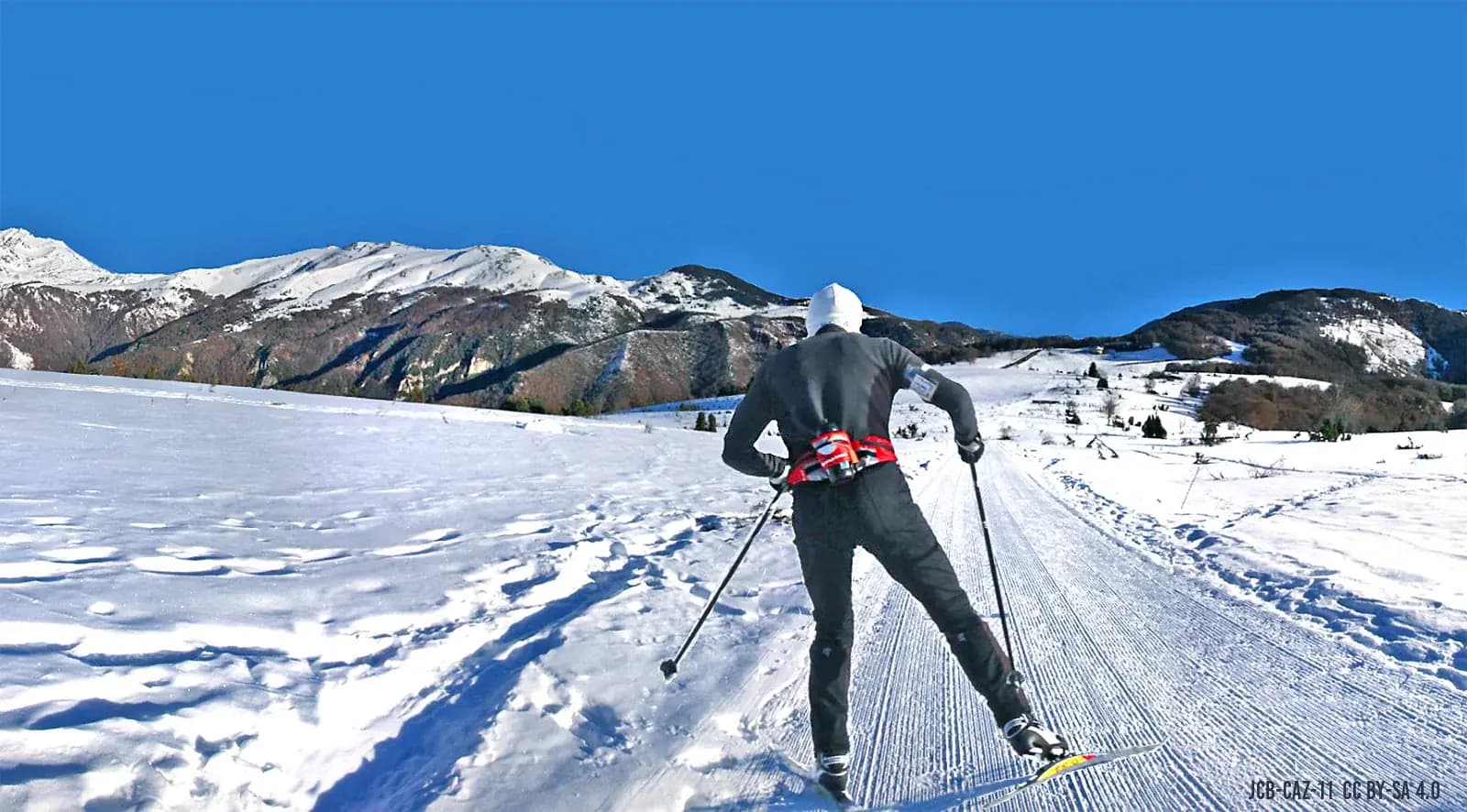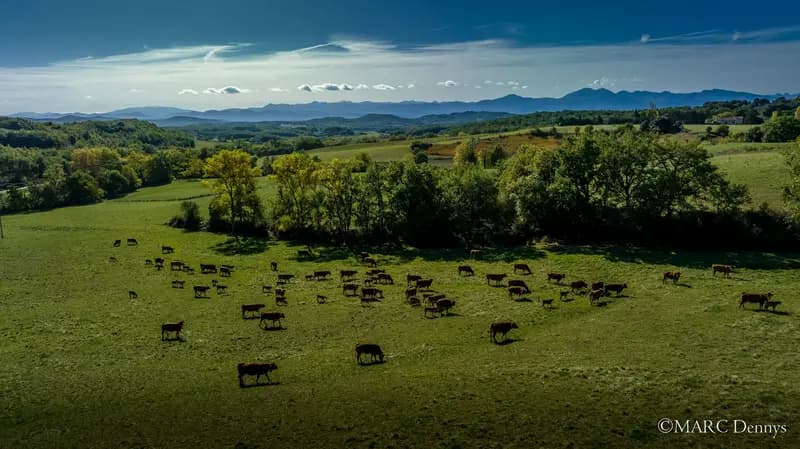
Created in 2009, the Parc Naturel Régional des Pyrénées Ariégeoises is the largest regional natural park in mainland France, covering approximately 2,500 km² of protected territory. It encompasses 142 communes, from the foothills to summits exceeding 3,000 metres, and is home to exceptional biodiversity. For nature lovers, it is an inexhaustible terrain for exploration.
A territory of exceptional natural richness
The PNR des Pyrénées Ariégeoises covers a remarkable diversity of landscapes: deep valleys, beech and fir forests, high-altitude meadows (summer pastures), peat bogs, glacial lakes, waterfalls, rocky peaks... This mosaic of natural habitats is home to flora and fauna of exceptional richness. More than 4,500 animal and plant species have been recorded, including many rare and protected species.
The wildlife of the Ariège Pyrénées
The park is a sanctuary for Pyrenean wildlife. Isards (Pyrenean chamois) roam the high-altitude zones, marmots whistle on the alpine meadows, and great raptors — bearded vulture, griffon vulture, golden eagle — soar above the ridges. The Pyrenean desman, a small endemic aquatic mammal, lives in the mountain torrents. The capercaillie, the park's emblem, inhabits the high-altitude forests. Brown bears are also present in certain remote valleys.
- Isard (Pyrenean chamois): observable at altitude from May to October
- Marmot: summer pastures and high-altitude meadows, distinctive whistling
- Bearded vulture: 2.80 m wingspan, the largest raptor in Europe
- Griffon vulture: colonies on limestone cliffs
- Capercaillie: mountain forests, protected species
- Pyrenean desman: endemic aquatic mammal, mountain torrents
- Roe deer and red deer: foothill forests, visible at dawn and dusk
Hiking in the natural park
The PNR des Pyrénées Ariégeoises offers hundreds of kilometres of waymarked trails, from simple country paths to high-mountain treks. The GR10 (long-distance hiking trail that crosses the Pyrénées) passes through on several stages. Numerous loops allow day hikes at all levels. Tourist offices and Park Houses offer guidebooks and personalised advice.
From Domaine de la Trille, located at the foothills in Sainte-Foi, the park's gateways are accessible within 30 to 45 minutes by car. The valleys of the Couserans (Saint-Girons, Aulus-les-Bains), the Barguillère, Vicdessos and the Tarasconnais offer hike starting points for all levels.
Authentic villages and living heritage
The natural park is home to dozens of authentic villages where time seems to have stood still. Stone houses, granges foraines (mountain barns), medieval bridges, Romanesque churches: the built heritage is remarkable. The valleys of the Couserans (Bethmale, Castillon, Biros) are particularly well preserved, with still-living pastoral traditions. Local festivals, livestock fairs and patron saint celebrations mark the rhythm of life in these mountain communities.
The Park Houses: discovery centres
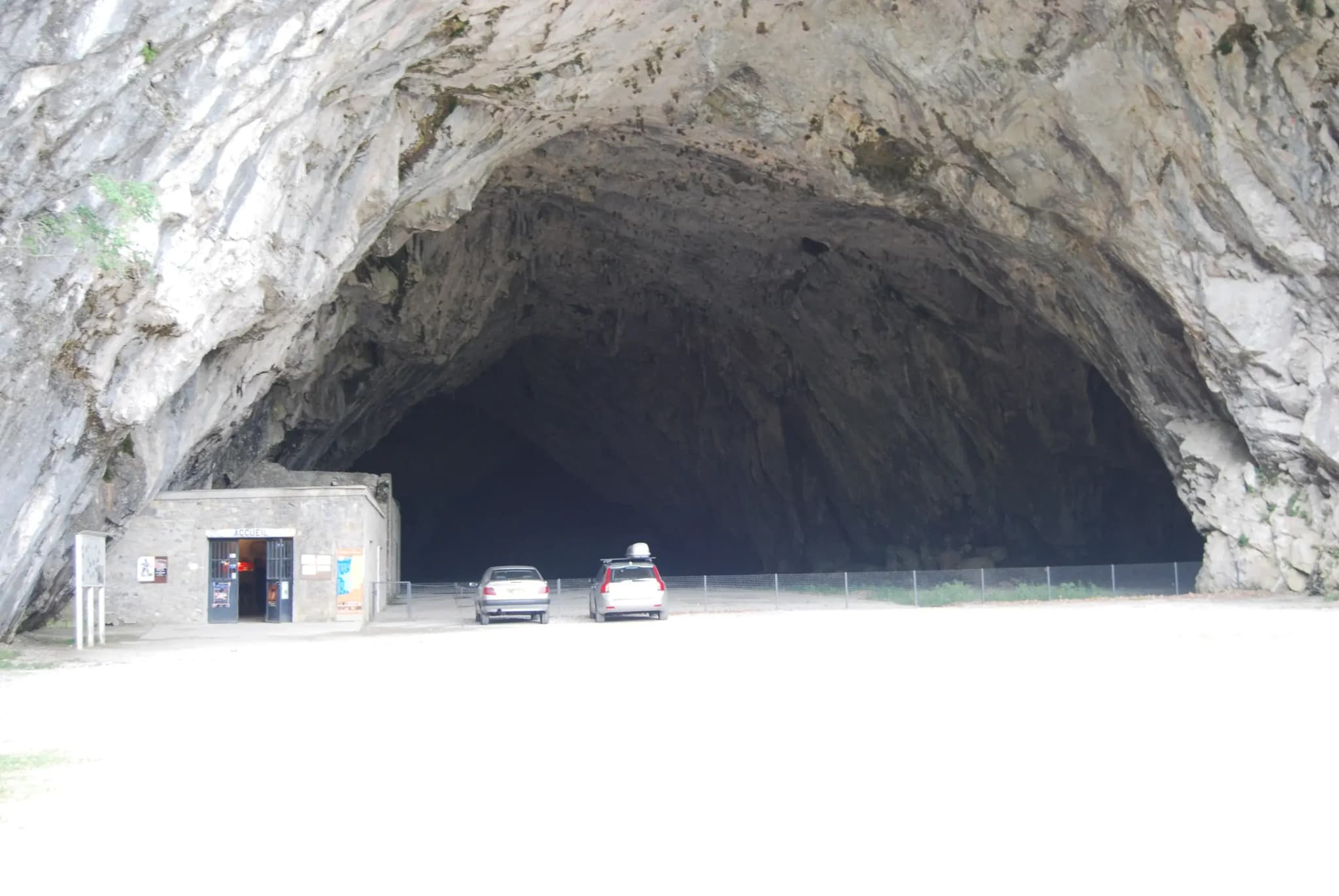
The PNR has several Park Houses and interpretation centres that help visitors understand the territory before exploring it: exhibitions on wildlife, geology, pastoral farming, mining history and cultural heritage. These spaces also offer guided outings led by nature guides: raptor spotting, listening to the stag rut, discovering edible plants...
Tip: Domaine de la Trille is ideally located at the foothills, at the gateway to the Parc Naturel Régional. You combine the comfort of countryside accommodation with quick access to the high mountains.
Staying at the gateway to the park
Domaine de la Trille, a 240-hectare working farm in Sainte-Foi (09500), is the ideal base camp for exploring the PNR des Pyrénées Ariégeoises. Florence and Benoît, Limousin cattle farmers certified HVE level 3, welcome visitors in 4 roulottes and 2 gîtes, in the heart of nature. The accommodations are fully equipped (WiFi, heating, kitchen, bed linen provided) and pets are welcome.
Explore the Parc Naturel Régional des Pyrénées Ariégeoises from Domaine de la Trille. Roulottes and gîtes facing the Pyrénées, from €90/night, 2-night minimum.
View availability