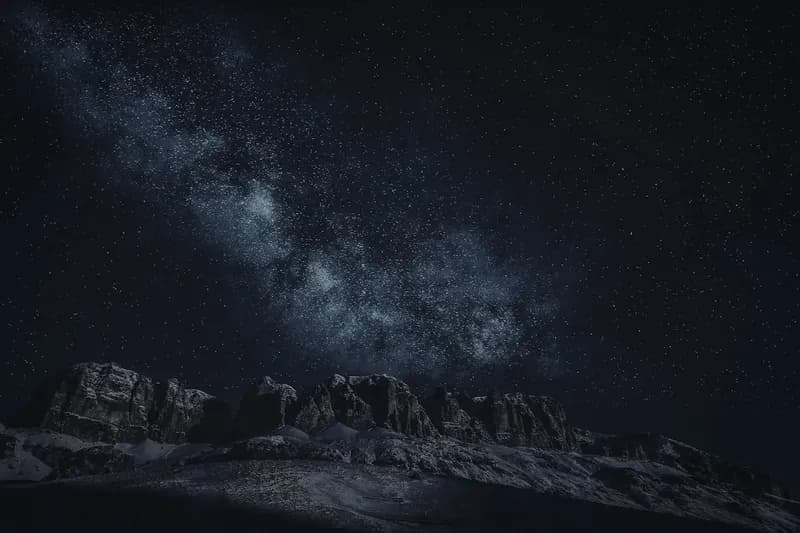
When did you last see the Milky Way? If you live in a city, the answer is probably "a long time ago". In Ariège, this spectacle is an everyday occurrence. The department, one of the least densely populated in France, benefits from extremely low light pollution, providing excellent conditions for observing the night sky.
Ariège: a sanctuary of dark skies
Light pollution maps of France consistently place Ariège among the darkest areas in the country. The absence of large urban centres, the mountainous terrain that screens out the glow of neighbouring cities, and a sparse population all help preserve the natural darkness of the night sky. The Ariège Pyrénées rank among the best astronomical observation sites in mainland France.
On a clear, moonless night, it is possible to see up to 3,000 stars with the naked eye, the milky band of the Milky Way, and even the Andromeda galaxy. With binoculars or a small telescope, the spectacle becomes truly dizzying.
The best times to observe the sky
- Summer (June–August): the Milky Way arches majestically overhead, nights are mild. Ideal for a first experience
- Autumn (September–November): nights grow longer, the atmosphere is often very stable, excellent conditions
- Winter (December–February): nights are long and cold, but Orion dominates the sky with unparalleled clarity
- Spring (March–May): a transition period, good conditions for observing distant galaxies
The best conditions combine several factors: a moonless night (check the lunar calendar), a clear sky, and enough altitude to rise above any valley mist. In Ariège, even from the foothills at around 400 metres altitude, the conditions are already remarkable.
What can you observe in Ariège?
The Ariège sky offers an impressive catalogue of observations. The Milky Way, our galaxy seen from within, spreads across the summer sky like a river of light from north to south. The planets visible to the naked eye — Jupiter, Saturn, Venus, Mars — shine with an intensity you would never suspect from the city.
- The Milky Way: visible from June to September, spectacular in August
- Meteor showers: the Perseids (August) are the most famous
- Planets: Jupiter and Saturn are regularly visible, spectacular through binoculars
- Nebulae and star clusters: the Orion Nebula is visible to the naked eye in winter
- Satellites and the International Space Station: frequent passes, easy to spot
Practical tips for stargazing
You do not need to be an astronomer or own expensive equipment to enjoy the Ariège sky. Here are a few tips for a successful first experience.
- Let your eyes adapt to the darkness for at least 20 minutes — avoid all screens
- Use a red-light torch if you need to see in the dark
- Get comfortable: a sun lounger or a blanket on the ground makes all the difference
- Download a star-chart app on your phone (use it in night mode)
- Dress warmly, even in summer — Ariège nights can be cool
- 10x50 binoculars are an excellent first instrument, far ahead of a telescope for beginners
Stargazing from Domaine de la Trille
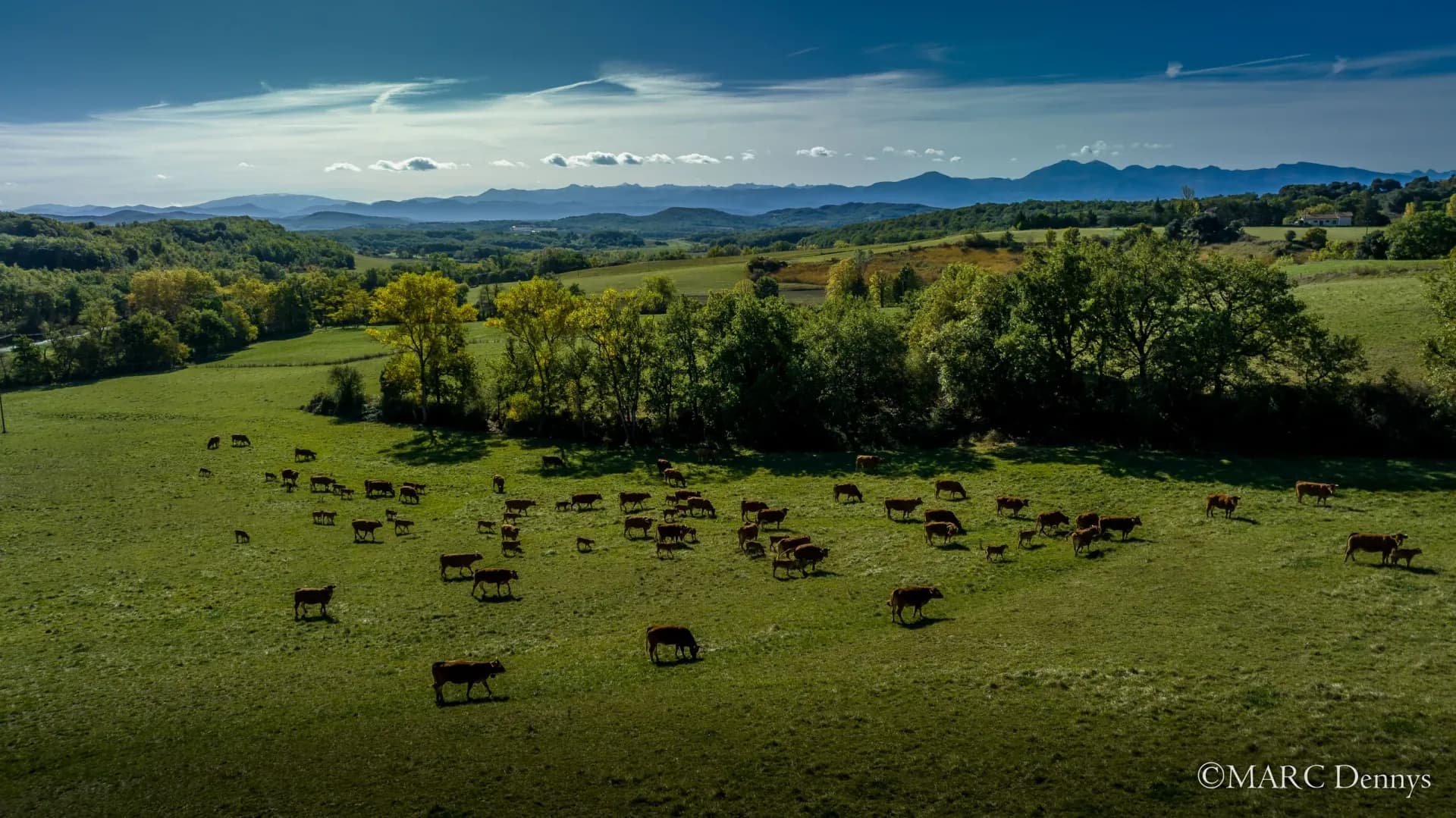
Domaine de la Trille, located in Sainte-Foi (09500) in the heart of the Ariège countryside, benefits from a low-light environment well suited to observing the night sky.
The rural setting of the estate, far from large urban centres, allows guests to take full advantage of Ariège's low light pollution.
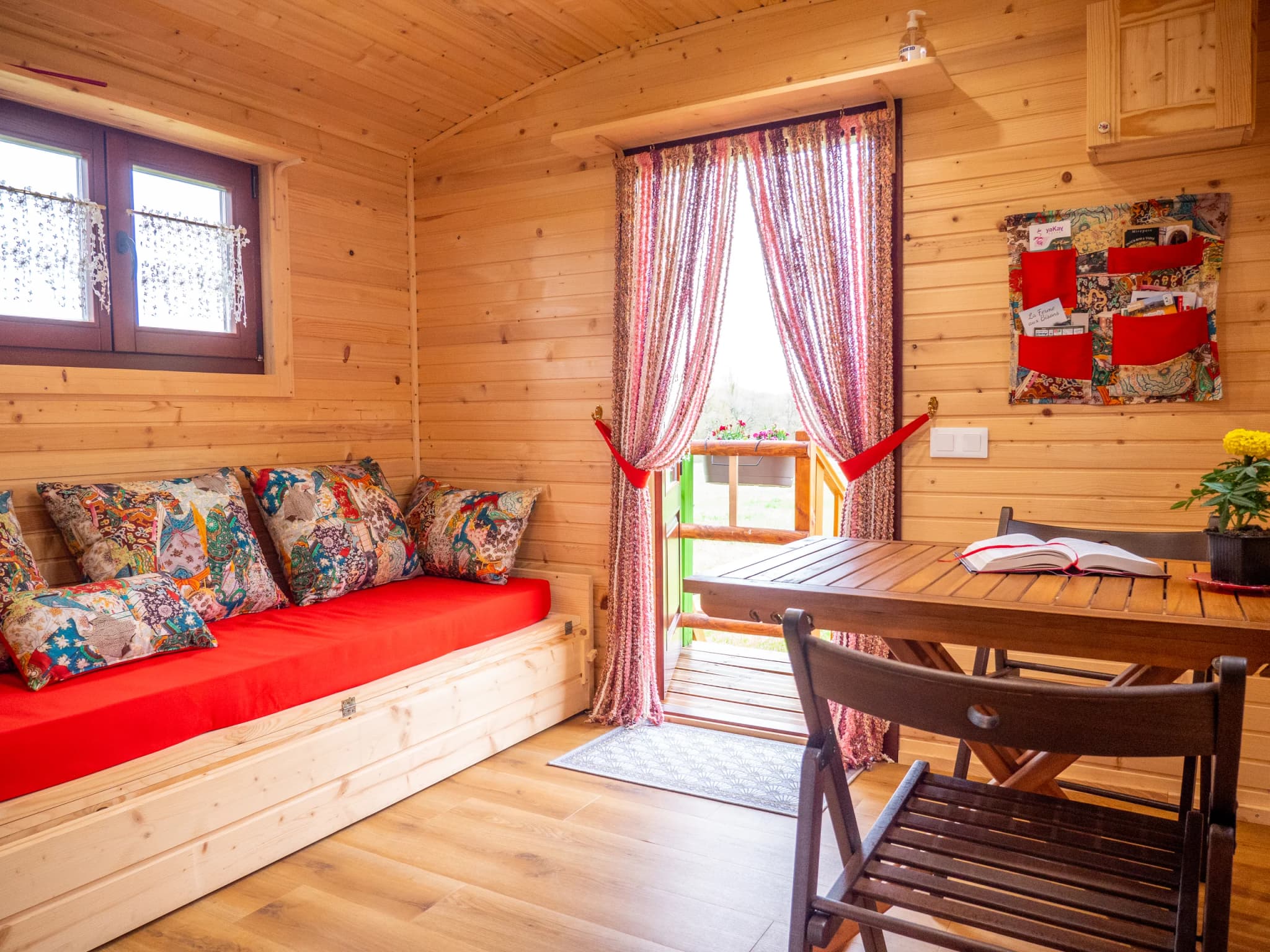
For stargazing nights, the caravans at Domaine de la Trille are particularly well suited: their balcony provides a viewing platform facing the Pyrénées, right in the open countryside.
Experience a night under the stars at Domaine de la Trille. Caravans and gîtes from 90€/night, -20% from 3 nights. Book at via.eviivo.com/DomainedelaTrille09500
View availability